What aspects of your cultural heritage are you most proud of or interested in?
As my readers know, I was adopted when I was 6 weeks old.
When I was in my early 20s, I decided to search for my biological family.
I found them and I’ve been in contact with them over the past 30 years.
When it became a “common” thing to send in DNA to get more information, I put it off for a long time.
After my Dad passed away, may his memory be eternal, I decided to go ahead and do the DNA test.
I already knew some information about my maternal biological roots, as they stem from England, interesting fact – they come from the same area as my Mum who adopted me.
I developed a close connection with my biological father, who passed away quite some time ago, may his memory be eternal.
There was something about him that felt so strong that I have never found the words to express it.
The DNA tests came back and I discovered that I have African DNA. I’ve written about this once before. I’ve always had a sense of not belonging. I always thought it was because I was adopted.
I am light skinned, but my hair is not like my “white” friends growing up. My hair is fine textured but very thick and is impossible to style it in “white” hairstyles.
I never could understand this and spent hours every week as my Mum untangled my hair, tried everything she could think of to try to make it look like my friends. Nothing worked.
She would use a perm pick to try to get it to settle, she tried everything. Ultimately, I wore my hair in bands or braided it. Nothing else worked.
As I’ve discovered I’m 1/4 African heritage, I’m learning to embrace who I am.
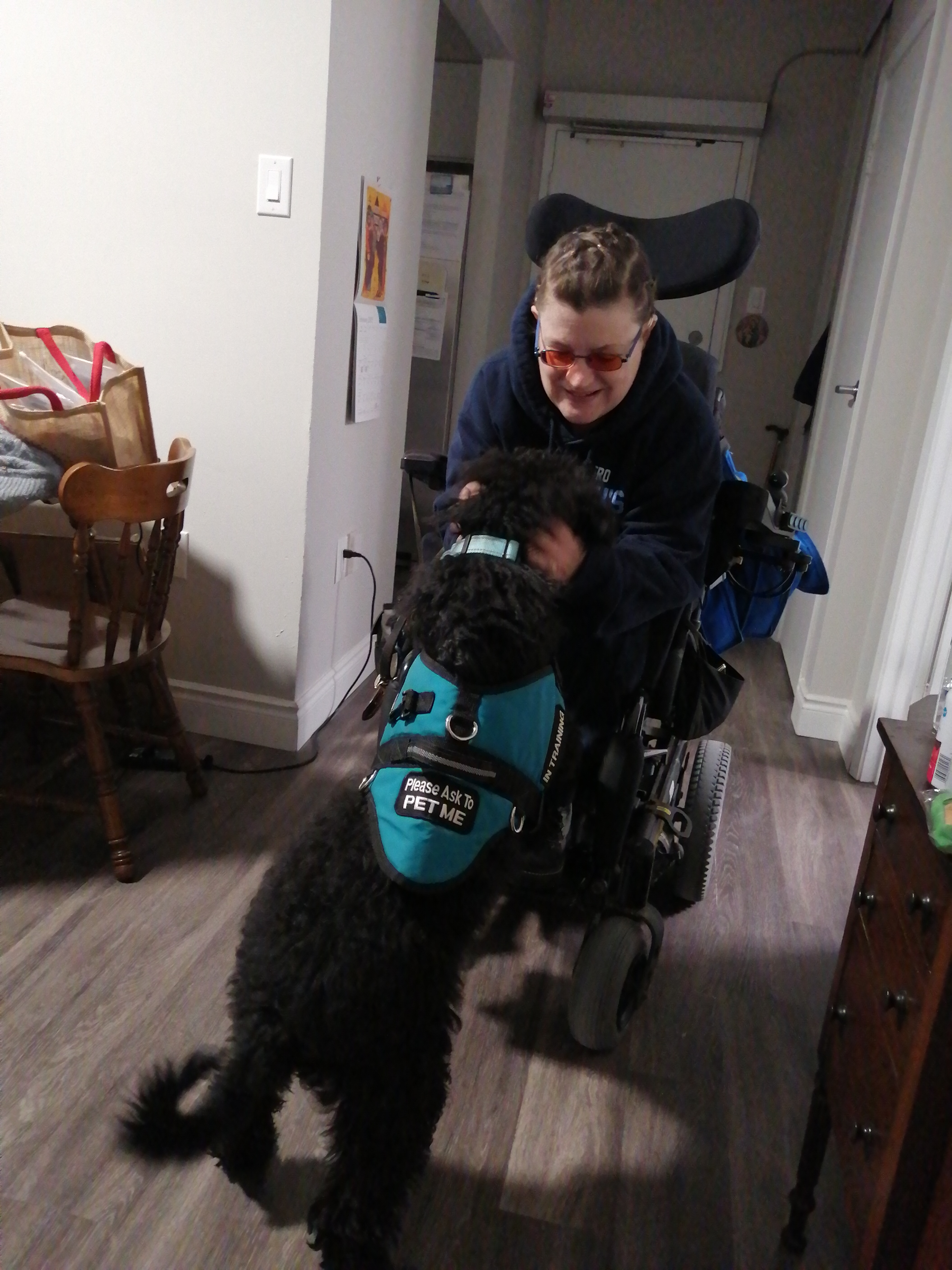
I wear my hair in cornrows and it looks great. When my Black friends and neighbours see my hair in cornrows, it’s immediately obvious that I’m not “white”.
I’ve always written “other” for ethnicity when the census comes out. I could never bring myself to check off the “Caucasian” box, it just didn’t feel right.
I’ve learnt to embrace my heritage as a descendant of African enslaved people. I’ve traced some of my heritage to a woman who was bought by a young Scottish man during or just following the American Revolution. As a Loyalist, his life was in jeopardy staying in the United States and brought my 4th great grandma to Ontario, Canada where white Loyalists were given free land. He had several children with her and his brother also had a child with her.
Shortly after this time, England abolished slavery. She gained her emancipation as did her daughter who is my direct descendant and the first female in the family to be able to be legally permitted to marry. She married an emancipated Black man and raised a family with him. In time, my maternal grandmother who was light skinned “passed” as white and married a white man who was the father of my biological father.
I’m proud of my heritage. Trying to research my paternal background is quite difficult. I’m trying very hard to find out who owned my 4th great grandma in the US prior to being sold to the young Scottish man who brought her to Canada.
I’ve traced the route of her maternal relatives to 2 possible slave trading ports in the US and their journey through Pennsylvania, New York and then to Canada but the actual names can only be found by searching through “property” papers which is quite difficult.
Although I am light skinned and most people would never guess by looking at me without my hair done properly (I used to keep it covered throughout my adult years, until just a year ago), I identify as an African Canadian. There are many light skinned individuals in Southern Ontario who are descendants of enslaved people (mainly women) by Loyalists. Many of whom are active in African heritage groups and the plight of enslaved women brought to Canada keeps their ancestors’ memories alive.
I live in a neighbourhood that has a high African immigrant population. I realize that to them, I look “white”, but I no longer see myself that way.
My maternal heritage on my paternal biological side did not have any choice in their lot in life and I have such love for them whose families suffered under the chains that bound them to their owners. Their strength and courage they had inspires me.
Perhaps this DNA connection, alongside my own fight for inclusion in this world as a Deaf, Disabled woman has made me stronger.
Just learning the struggles my grandmother suffered through as a child and young adult is something that helps me see her strength and resilience.
Unfortunately I never had a chance to meet her. I did get a chance to learn more about her from my cousin who passed away after a lengthy battle with breast cancer last year, may her memory be eternal.
I too have fought that fight and I am cancer free. I have a genetic connection to breast cancer from both my paternal and maternal sides. Unfortunately, most of these ladies, lost their battle with breast cancer. I chose to have a prophylactic mastectomy and in doing so, my doctor discovered that I had pre-cancer cells as well as stage 1 cancer. I give thanks to God for leading me to the prophylactic mastectomy. If I hadn’t taken that path, I may not have been here today to write this.
I am considered a minority in 5 different ways. Some I could choose to hide, including my African heritage, but I cannot do that. By hiding who I am, hiding my heritage due to my light skin, I would be denying the strength of my ancestors and erasing their struggles. I cannot do that. I look at them, their hardships, the difficulties they endured with a feeling of pride. They survived these hardships which ultimately led to my birth.
I am a proud African Canadian. My skin pigmentation may not identify me as such but I am grateful that through DNA testing, I finally found the truth of my ancestors. I cannot hide my heritage behind my skin pigmentation. I don’t need to do so for survival reasons such as my grandmother did.
Please remember, you can’t judge a book by its cover. You cannot assume a person’s ethnicity and heritage by what you visually see. For those of us who are light skinned, we cannot hide our heritage.
❤️🤟🏽

 Dr Kelly Fleming
Leave a comment